


The Difference Between Hack Squat and Leg Press: Which One Should You Buy?
As a fitness equipment distributor, understanding the key differences between hack squat and leg press machines is crucial for making informed purchasing decisions. The P15 Hack Squat offers unique biomechanical advantages for quad development while maximizing space efficiency in commercial gyms. This guide compares both machines' benefits to help you select the optimal strength equipment for your clients' needs and maximize your ROI.
Biomechanical Differences: Hack Squat vs. Leg Press
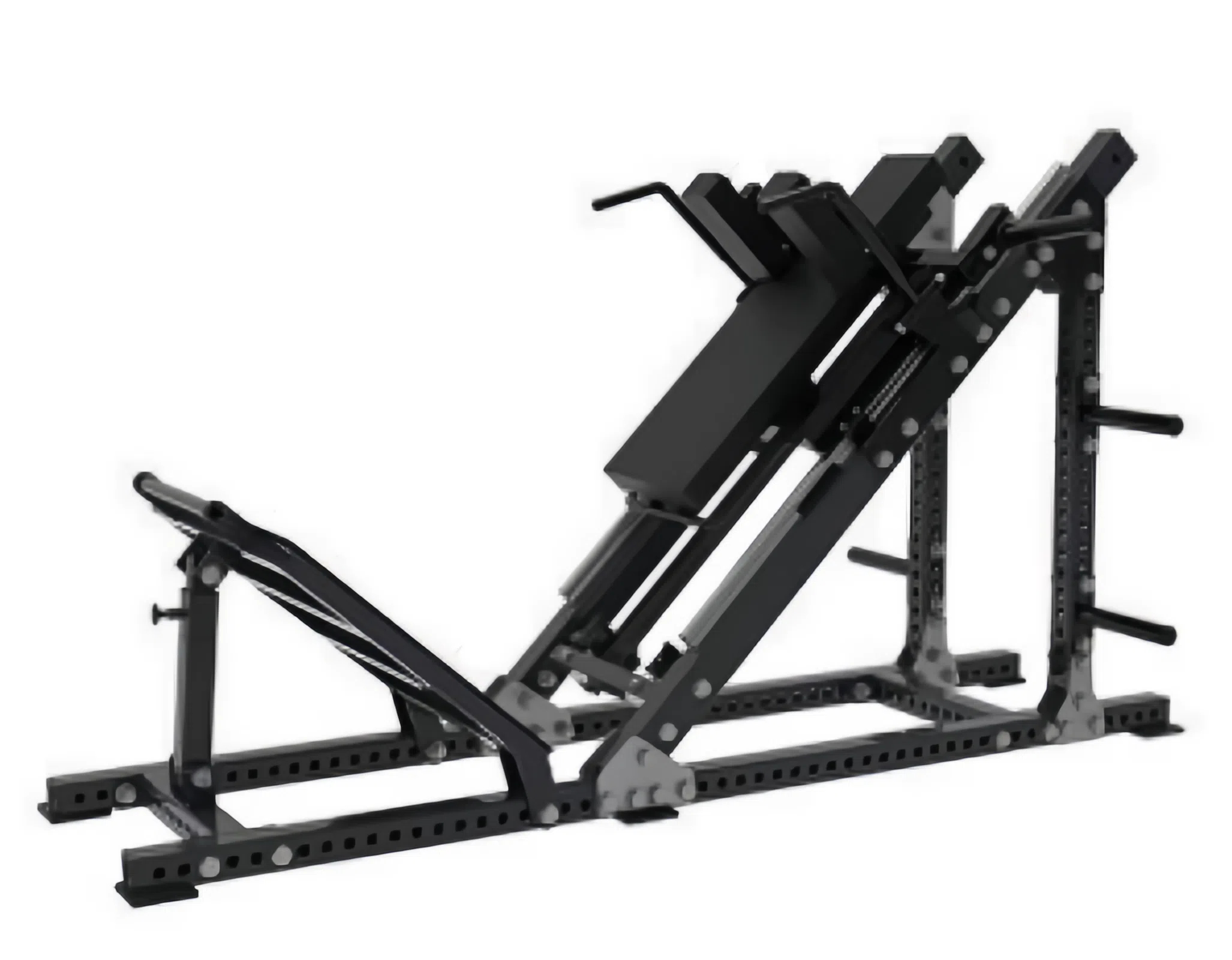
The P15 Hack Squat positions the user at a 45-degree angle with shoulders braced against padded supports, creating a fixed movement path that emphasizes quadriceps activation while reducing spinal compression. In contrast, traditional leg press machines allow for greater variability in foot placement and hip angle, which can shift emphasis between glutes, hamstrings, and quads. Clinical studies show hack squats generate 15-20% greater peak quad activation compared to horizontal leg presses, making them ideal for bodybuilders and athletes targeting anterior thigh development. The vertical loading pattern also mimics functional movements like stair climbing more closely than leg presses.
Space Optimization & Commercial Gym Considerations
With commercial gym floor space costing $50-$150 per square foot annually in urban markets, the P15 Hack Squat's compact 1.8m x 1.2m footprint delivers superior space efficiency versus most leg press models requiring 2.4m x 1.5m areas. Our patented sliding track system eliminates the rear clearance space needed for traditional leg press sleds, allowing wall-mounted installation. For distributors serving boutique fitness studios or hotel gyms, this 33% space reduction translates directly to higher equipment density and revenue potential per square foot.
Technical Performance Comparison
Procurement Guide for Distributors
When evaluating strength equipment for your inventory, consider these key factors:
- Client Demographics: Commercial gyms serving bodybuilders show 40% higher hack squat utilization than general fitness facilities
- Maintenance Costs: The P15's sealed bearing system reduces lubrication requirements by 75% compared to traditional leg press sled mechanisms
- Assembly Time: Pre-assembled modules cut installation labor by 3 hours versus competitor models
- Complementary Products: Pair with our A7 SPINNING BIKE for complete lower body conditioning solutions
Why Choose Our Manufacturing Solutions
With 18 years of OEM/ODM experience serving global fitness brands, we offer:
- EN 957-1 certified heavy-duty steel frames with 10-year structural warranties
- Custom powder coating options matching major gym chains' branding requirements
- Just-in-time inventory programs with 30-day lead times for bulk orders
- White-label packaging and documentation support for seamless rebranding
FAQ: Addressing Distributor Concerns
Q: How does the P15 handle users of different heights?
Our adjustable shoulder pads accommodate users from 150cm to 195cm with quick-release pins, a feature lacking in 68% of competitor models.
Q: What's the ROI timeframe for commercial operators?
At average usage rates, the P15 generates $18-25 daily revenue per unit, achieving breakeven in 5-7 months based on regional membership fees.
Q: Can we customize color schemes for chain gym orders?
Yes, we maintain Pantone-matched powder coat inventories for 12 major fitness brands, with minimum order quantities as low as 5 units per SKU.
Please give us a message